Getting a New Appliance Connected in Denver
The delivery truck brings the machine to the kitchen floor and leaves. What happens next decides whether the appliance works properly for a decade or leaks quietly behind a cabinet for a year. Wilson & Myers handles appliance installation across Denver: hook-ups, water lines, gas connections, venting and haul-away of whatever the new unit replaces.
What We Install in Denver, CO
Connections, venting and water lines for new appliances, plus removal of the old unit when you need it gone.
Old Houses Make Installation Interesting
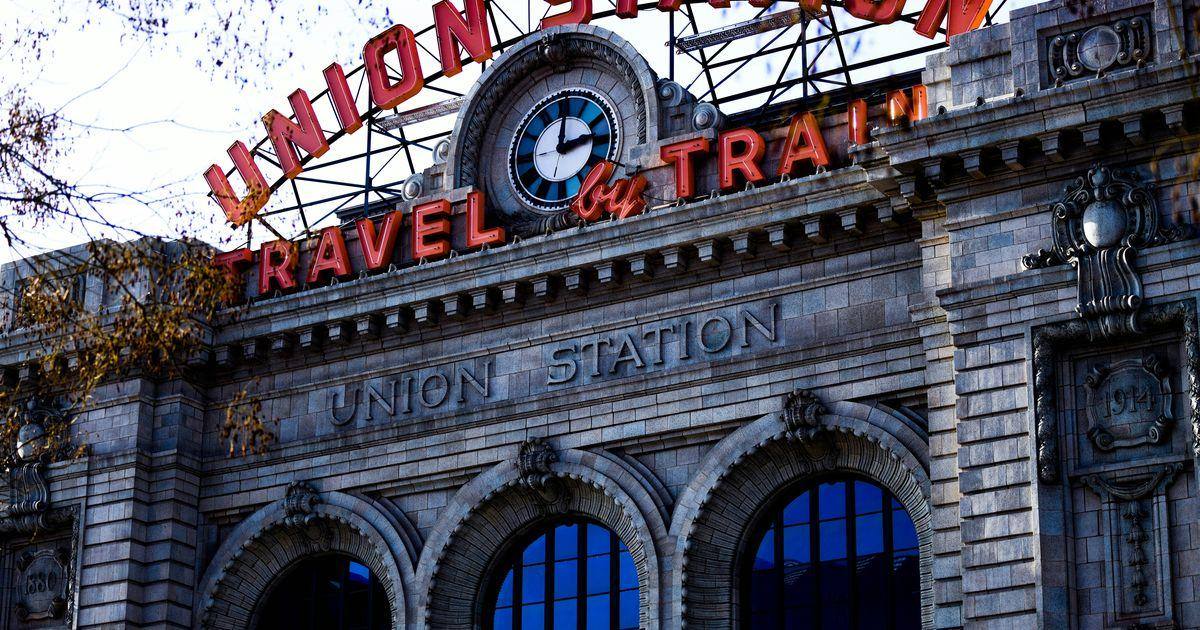
Denver has a century of housing stock, and installation is where that shows up hardest. Victorian and pre-war houses through Capitol Hill, Baker and Five Points were built for appliances that no longer exist. Doorways are narrow, kitchens are galley-shaped, and a counter-depth refrigerator that fits the space on paper may not make it through the hallway.
Laundry in these houses usually sits in the basement, which means a long vent run to an outside wall. Long runs choke airflow, and a dryer connected to one will tumble for a full cycle and leave clothes damp. We check the vent path before we commit to the install rather than discovering it halfway, and we verify airflow as part of the hook-up.
Kitchen Installations
Dishwashers need water, drain and power in a cabinet opening that was often sized for a different machine. Ranges and cooktops need the right fuel connection and clearance. Built-in wall ovens are common in the renovated kitchens of Washington Park, Congress Park and Cherry Creek. The cabinet opening and its support get checked before the unit goes in, because a double oven is heavy and unforgiving of an opening slightly out of square.
Refrigerator water lines are their own job. Running a new line to an ice maker in a house that never had one means getting through cabinetry and finding a tie-in point. It is also the installation most likely to leak later if it is rushed, and in a Victorian with original plumbing there is rarely a convenient place to tie in.
Before the Delivery Arrives
The most useful thing you can do is tell us what is behind the old appliance. Whether the range is gas or electric, whether the laundry pair is stacked or side by side, whether the dishwasher opening is standard width. We ask these at booking so the technician arrives with the right fittings instead of making a supplier run mid-install.
If the retailer is delivering, we work around their window. Delivery crews generally set the unit in place and stop there. The connection, testing and removal of the old machine is what we pick up.
Installation Across the Denver Metro Area
The same technicians who install in Denver cover 32 cities across the metro area, so an unusual fitting or a connection nobody has made since 1955 is rarely something we are meeting for the first time.
About us
Lofts, Bungalows and New Builds
The city splits into three installation problems. Downtown lofts through LoDo and RiNo take compact and stacked appliances, and access runs through a service elevator on a booked time slot rather than a driveway. Bungalows and post-war houses across Highlands, Sunnyside, Park Hill and Virginia Village have been renovated in waves. The connections behind those cabinets can date from any decade.
Newer construction in Central Park and Green Valley Ranch is the straightforward end: standard rough-ins, predictable clearances, modern electrical service. Neighboring Lakewood, Edgewater and Wheat Ridge run on the same dispatch. Full section: appliance installation.
Parts, Fittings and Warranty
Hoses, valves, vent kits and connectors come through national supplier networks and manufacturer contracts. Most installations use standard fittings we carry to the job. Where a connection turns out to be non-standard, which happens constantly in older Denver houses, we tell you what is needed and what the timing looks like before you commit.
Installation work carries a 100-day warranty on parts and labor.
Where Denver Installs Differ, From LoHi Townhomes to Harvey Park Ranches
Most first replacements happen in the newer areas. In Lowry, Central Park (formerly Stapleton) and Green Valley Ranch, the builder-grade machine is done, the openings are standard and the electrical service is modern. The weak point is behind the unit: a shutoff valve and supply line that have held pressure since the house was built. We check both and replace a stiff valve or an aging line before the new washer or refrigerator goes on.
Delivery routes differ even there. Many Central Park homes have alley garages, so the easiest way in is often from the alley rather than the front walk. Row homes add stairs to the carry, and we plan that route before the truck arrives.
The pre-1940 streets are a different job. In Platt Park bungalows, Berkeley and West Highland houses and the older blocks of Barnum, cabinet openings were sized for machines that no longer exist. A new dishwasher may need its opening trued, and a deeper refrigerator may not clear the kitchen doorway. Gas ranges often meet an old flex connector or a valve that will not fully close, and we replace those rather than reuse them.
Laundry is where older houses push back hardest. The 1940s and 1950s homes of Montclair and Harvey Park were wired long before today’s dryers. We confirm the outlet type, the 240V circuit and the vent path before a dryer hook-up. A new dryer on a tired circuit or a crushed duct runs long and dries poorly, whatever its brand.
Condo and townhome pockets bring access problems more than connection problems. In the apartment buildings of Cheesman Park and the dense new townhomes of LoHi, in-home laundry is often a stacked pair in a tight closet. Delivery there can mean booking an elevator or a loading time with the building, and we measure the closet depth first. In Curtis Park, new townhomes stand beside pre-1940 houses, so two installs on one block can look nothing alike.
Between those extremes sit Congress Park and Bonnie Brae. Congress Park mixes early-1900s homes with small apartment buildings, so it brings old openings in the houses and access rules in the buildings. Bonnie Brae has Tudor, Spanish and ranch homes from the 1920s through the post-war years. Many of those kitchens have been rebuilt, so the connections behind them can date from any decade.
Around Sloan Lake, houses from before 1940 through the 1970s sit beside newer townhomes and condos. We ask the year the house was built when you book, because it tells the technician which fittings to bring.
At the top end, Country Club holds large pre-1940 homes, and Crestmoor and Hilltop have many new custom builds. Homes like these are where panel-ready refrigerators and dishwashers, built-in wall ovens and column units tend to go. A built-in opening has to match the unit’s specification closely, and the panel has to hang true. We check the cutout, the anchoring and the water and power locations before the unit is lifted in.
When to Call Wilson & Myers
Call before the appliance is delivered rather than after. A short conversation about what is behind the old unit usually saves a return visit. In an older Denver house it occasionally saves you from buying a machine that will not fit through the door. If the appliance is already sitting in your kitchen, call anyway: most installs happen within a few days.
Appliance Installation in Denver, CO: Common Questions
What appliances do you install in Denver?
Washers and dryers, dishwashers, freestanding and slide-in ranges, cooktops, built-in single and double wall ovens, range hoods, garbage disposals, and refrigerator water lines for ice makers and dispensers. Details on each job are on our appliance installation page.
Do you remove the old appliance?
Yes. Delivery and haul-away runs alongside the installation, so the old machine leaves with us rather than sitting in the garage. Tell us at booking so the technician arrives with room in the van.
My house is old and the kitchen is tight. Can you still install?
Usually yes, and it is routine work here. Capitol Hill, Baker and Five Points houses have narrow doorways, galley kitchens and plumbing that predates the appliance by eighty years. We measure the path and check the connection at the estimate. Occasionally the honest answer is that a particular model will not fit, and it is far better to hear that before delivery than after.
Can you install an appliance the store delivered?
Yes, and that is the most common case. Retail delivery crews usually set the unit in place without connecting it. We handle the supply lines, drain, power or gas connection, venting, leveling and a working test, plus removal of the old appliance if you need it gone.
Do you also repair appliances in Denver?
Yes, that is a separate page: residential appliance repair in Denver. If an appliance is only a few years old and failing, a repair is often the better call than replacing it, and our technicians give a straight read on that during the diagnostic.
New Appliance Arriving in Denver?
Tell us what is being delivered and what it replaces, and we will book the connection around your delivery window.