

Need a Professional Hand?
If a DIY fix isn't enough, our insured technicians are just a click away. We’ll diagnose the issue and get your home running right again.
BOOK NOWA Sub-Zero refrigerator not cooling is a serious issue, and in most cases it is diagnosable and repairable. The trick is knowing how Sub-Zero units are built, because the diagnosis works differently than on a standard refrigerator. At Wilson & Myers, we specialize in high-end appliance repair in Denver and Sub-Zero is our most frequent service call.
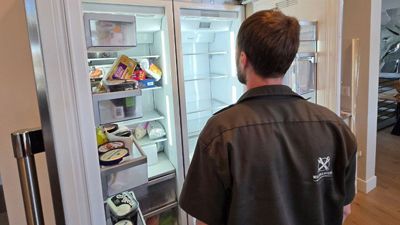
Most Sub-Zero built-in models use a dual refrigeration system: the fresh food section and the freezer have separate compressors. That detail is essential in diagnosing a cooling issue. When the freezer is at a normal temperature but the fridge side is warm, half of the potential failure points are already eliminated.
The other significant differentiator is condenser location. In built-in Sub-Zero models, the condenser is mounted on top of the unit, behind the top grille, not at the bottom like conventional refrigerators. Most homeowners never think to clean it there. A clogged condenser, loaded with pet hair and dust, is the most common reason a Sub-Zero stops cooling, and it is entirely avoidable.
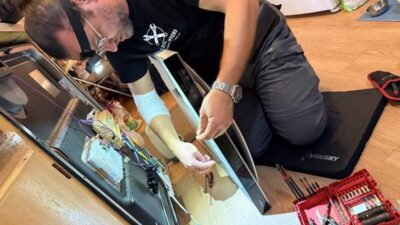
Sub-Zero also features a proprietary service mode that reads live sensor data, fault history, and component test features. These units cannot be diagnosed properly without knowing how to use it. For a related Sub-Zero cooling issue on the freezer side, see our Sub-Zero freezer not working guide.
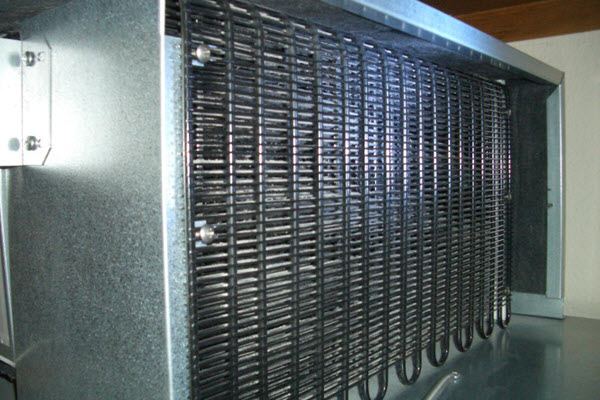
Wipe off the condenser before calling anybody. The most prevalent cause of a Sub-Zero refrigerator ceasing to cool is a clogged condenser, and that is something any homeowner can handle in ten minutes.
In the majority of Sub-Zero built-in models, the condenser is located on top of the unit behind the top grille. Sub-Zero recommends cleaning it every 6 to 12 months. Most homeowners have never done it.
How to clean the Sub-Zero condenser:
1
2
3
4
When condenser coils are loaded with debris, the compressor must work harder and harder to reject heat. Over time, it cannot maintain temperature and the entire unit warms up. After cleaning, compressor load drops and temperatures recover within a few hours. This step alone resolves many of our service calls.
This specific symptom is one of the most frequent calls we get, and it narrows the diagnosis immediately. Since Sub-Zero dedicates a separate compressor to each compartment, a warm fridge with a normal-temperature freezer points directly to the fresh food circuit only.
The most probable causes in this case:
These are diagnosed by opening interior panels and accessing live sensor values and fault history via Sub-Zero service mode. This is not a home repair job. It requires a technician trained on Sub-Zero systems. See how the same dual-compressor logic applies to the freezer side in our Sub-Zero freezer not working guide.
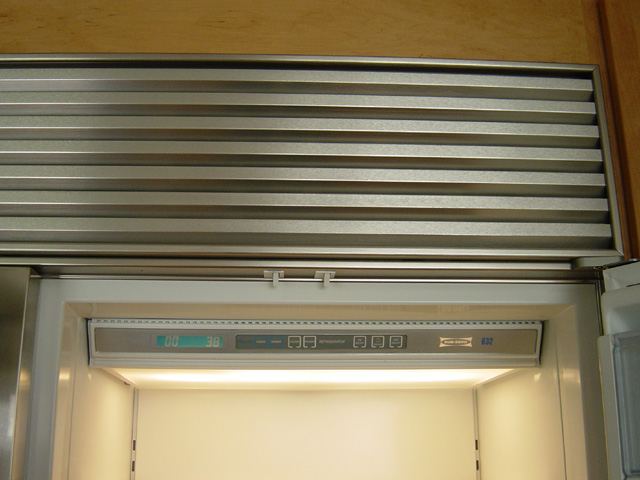
Sub-Zero shows error codes: EC codes on newer models, alarm codes on older ones, each pointing to a specific component failure. EC 50 is usually a sign of a Sub-Zero condenser fan problem. EC 24 and EC 25 are temperature alarms that trigger when a section has been out of range for too long.
Start by writing down the exact code. The first mistake is failing to take a picture of the display.
The code is not necessarily the whole story. A condenser fan code, for example, might be triggered by a broken fan motor, a wiring problem, or a control board fault. But it cuts the diagnostic path significantly shorter.
Sub-Zero compressors are built to last 15 to 20 years. Sub-Zero compressor failure is less common than on consumer-grade refrigerators, but it does happen, typically on units that are 10-plus years old or that have run for years with a clogged condenser, which shortens compressor life significantly.
Signs of compressor failure:
In models with two compressors, when one fails it only impacts that compartment, which is another reason the fridge-only-warm symptom is so diagnostic. Compressor repair involves the closed system and requires EPA-608 certification for refrigerant handling. This is professional-only work. Our fridge repair service covers the full sealed-system scope. For context on how premium brands compare on compressor longevity, our Sub-Zero brand page covers the engineering background.
Sub-Zero products are designed for more than 20 years of service. Most failures we diagnose could have been prevented with simple annual maintenance.
Three things that prevent Sub-Zero appliance repair calls:
1
2
3
Sub-Zero refrigerators are not ordinary appliances and should not be treated as such. A misdiagnosis leads to replacing expensive parts that do not solve the problem. Improper work on the sealed system can void the warranty and introduce new failures.
Sub-Zero service mode provides real-time sensor monitoring, fault history, and component tests that cannot be performed during normal operation. Reading those results correctly and knowing what to do with them requires training specific to Sub-Zero systems. A general appliance technician working from standard refrigerator logic will likely miss the root cause.
Wilson & Myers technicians are experienced in high-end appliance repair on Sub-Zero, Thermador, Viking, and other premium brands. We understand the dual refrigeration architecture, service mode diagnostics, and sealed system requirements these units demand. If you have a different brand with a similar symptom, our Samsung refrigerator not cooling guide and LG fridge not cooling guide cover the same diagnostic logic for those platforms. For a broader perspective that spans every major brand, our universal fridge-not-cooling diagnostic walkthrough walks through each failure path systematically.
When you have cleaned the condenser and temperatures do not recover after 6 hours, it is time to call. The same applies when you see error codes on the display, the fridge section is warm while the freezer is normal, the unit is running continuously, or you hear clicking or compressor sounds.
Wilson & Myers technicians handle Sub-Zero fridge repair across the entire Denver Metro area. If your Sub-Zero is not cooling after cleaning the condenser, book online. We diagnose before recommending any repair.
A clogged condenser is the most common cause. In built-in Sub-Zero models, it sits at the top of the unit behind the top grille and collects dust and pet hair. Other causes include evaporator fan motor failure, defrost system failure, a faulty thermistor, or, less commonly, Sub-Zero compressor failure. Start by cleaning the condenser and monitor whether temperatures recover within a few hours.
Since most Sub-Zero built-in units have separate compressors for the fridge and freezer compartments, a warm fridge with a normal freezer means the issue is confined to the fresh food circuit. The most common causes are evaporator fan motor failure, a defrost system fault with ice accumulating on the evaporator, or a thermistor sending faulty signals to the control board. A qualified technician is required for an accurate diagnosis.
Sub-Zero recommends cleaning the condenser every 6 months. If you have shedding pets, lean toward every 4 to 6 months. In built-in models, the condenser is behind the top grille and takes roughly ten minutes with a vacuum and soft brush attachment.
Almost always, yes. Sub-Zero models are built for 20-plus years of service and use higher-quality components than a standard refrigerator. Even compressor replacement on an older unit is usually worth it given the cost and disruption of replacing a built-in refrigerator. The exception is a unit with multiple simultaneous failures or cabinet damage, which we assess during diagnosis. For a broader view of repair vs. replacement across fridge brands, see our Whirlpool refrigerator not cooling guide, which covers the same decision framework. You can also book a freezer repair assessment if both compartments are involved.
Newer Sub-Zero models use EC codes; older models use alarm codes to indicate failures with specific components. EC 50 typically signals a condenser fan problem; EC 24 and EC 25 are temperature alarms. The exact meaning depends on the model. The most important step is to write down or photograph the code, and do not power-cycle the unit before the technician arrives, as resetting clears the active code.
A Sub-Zero that will not cool often points to a condenser, evaporator, or sealed-system fault. Our insured technicians serve the full Denver Metro Area. Book online to schedule a diagnostic.
Found This Helpful?
A Samsung washer not spinning leaves clothes wet in the drum and the dryer waiting. Samsung's four platforms handle this differently: WF front-load, WA top-loa…
You opened the KitchenAid freezer this morning and the bin was empty. In my experience, the arm is the first thing worth checking: the fix costs nothing and ta…
A Frigidaire oven not heating can come down to a setting rather than a part. Before you book a repair, two checks cost nothing and take under a minute: the clo…
Has your refrigerator water dispenser stopped delivering water? In my experience, a large share of these calls end before a technician arrives. A child lock ac…
A Whirlpool dryer that tumbles but never heats traces to one of five faults, and three of them cost nothing to check. Here is the order to work through them, p…
F8 E4 means water reached the drip tray, not a fill fault. Here is the two-step reset and why it can fire on a brand-new install with a dry tray…
Welcome to the community.
You'll receive our next expert update soon.

Wilson & Myers is a verified member of the Denver Metro Chamber of Commerce.


